
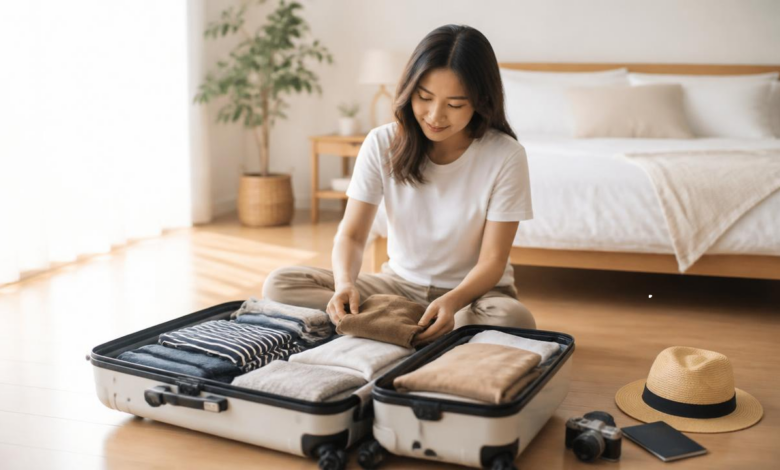
Minimalist packing for international travel is not about sacrifice. It is about choosing freedom. When your bag is lighter, every part of the trip becomes easier, from airport check-in to train transfers, staircases, hotel changes, and spontaneous detours.
If you have ever dragged an oversized suitcase across cobblestones or waited anxiously at baggage claim, you already know the hidden cost of overpacking. To travel light international is to reduce stress, save money on baggage fees, and move through unfamiliar places with more confidence.
The best part is that minimalist packing international works for almost any trip style. City breaks, multi-country routes, backpacking adventures, remote work stays, and even longer journeys all become more manageable when you pack with intention.
This guide will show you how to build a smart system, choose the right essentials, and avoid the common traps that lead to heavy luggage. The goal is simple: carry less, enjoy more.
Why Embrace Minimalist Packing for International Travel?
The Benefits: Save Money, Reduce Stress, Travel Freer
Packing light changes the rhythm of a trip. You spend less time organizing your belongings and more time enjoying the destination. A smaller bag is easier to lift into overhead bins, safer to keep close, and less likely to make you feel exhausted before the day even starts.
It can also save real money. Many airlines charge for checked baggage, and low-cost carriers may have strict rules for cabin bags. Before your flight, always review official carry-on guidance from the IATA baggage information page and confirm the final details with your airline.
Minimalist packing for international travel also supports flexibility. Maybe you take a bus instead of a taxi, switch hotels, or add a side trip at the last minute. That freedom feels very different when you are carrying one practical bag rather than hauling your whole closet abroad.
For budget travelers, this approach works especially well with rail itineraries, regional flights, and hostels with limited space. If you are mapping several stops in one journey, our guide to planning a multi-country European trip on a budget can help you connect packing choices with route planning.
Environmental Impact: A Lighter Footprint
A lighter bag can also support sustainable travel. While one traveler’s luggage will not transform the travel industry alone, carrying less often means consuming less, buying less, and relying on fewer disposable items.
Minimalism also encourages better purchasing habits. Instead of packing cheap single-use products or trend-based outfits, you choose durable items that work across multiple situations. That mindset aligns naturally with more responsible travel habits and a smaller personal footprint.
If you want to go further, combine this article with our tips in Ethical Tourism: How to Travel Responsibly and Support Local Communities. Packing lighter is one small but meaningful step toward traveling more thoughtfully.
The Core Principles of Minimalist Packing
The ‘One Bag’ Philosophy Explained
The heart of one bag travel international is simple: everything essential fits into one carry-on-sized bag, sometimes with a small personal item. This approach forces clarity. If space is limited, every item must earn its place.
That does not mean you need to become extreme. One-bag travel is not a competition. It is a framework that helps you stop packing for imaginary emergencies and start packing for your actual itinerary.
A good one-bag setup usually includes a lightweight backpack or carry-on suitcase, a compact day bag, and a clear understanding of your airline’s luggage restrictions. The right bag matters, but your packing decisions matter even more.
Multi-Functional Items Are Your Best Friends
In smart packing international, versatility is everything. A shirt that works for sightseeing and dinner is better than two separate shirts. A light layer that works on a plane, in cool evenings, and in aggressively air-conditioned spaces is more valuable than a bulky sweater with one use.
Look for items that can do double duty:
Consider neutral tops that pair with every bottom, and comfortable shoes suitable for walking and casual dining.
A scarf or shawl can add warmth, modesty, or comfort during flights. Opt for quick-drying clothing that can be washed overnight to maximize utility.
Your smartphone replaces a camera, map, guidebook, and entertainment device, making it the ultimate multi-functional tool for your travels.
This principle is also useful when selecting travel gear. Fewer chargers, fewer cables, and fewer single-purpose gadgets mean less weight and less clutter.
The 5-4-3-2-1 Rule
A simple packing heuristic helps prevent overthinking. One version of the 5-4-3-2-1 rule includes: 5 tops, 4 bottoms or lower-body options, 3 pairs of shoes, 2 dresses, layers, or specialty pieces, and 1 jacket.
You do not need to follow this exactly. Think of it as a limit, not a law. Many travelers can go even lighter, especially on short trips or when laundry is available.
For a warm-weather city trip, your numbers may be smaller. For cold climates, the category count may stay the same while fabrics become heavier and more technical. The rule works because it creates structure without making packing feel rigid.
Prioritizing Needs Over Wants
The biggest enemy of efficient packing international is the “what if” mindset. What if there is a fancy dinner? What if I suddenly need three extra outfits? What if I want gear for an activity I probably will not do?
A more useful question is: what am I realistically going to use? Minimalist travelers pack for likely scenarios, not every possible one. Most forgotten items can be purchased locally if necessary. Most extra items never leave the bag.
Crafting Your Minimalist International Packing List
Clothing: Building a Travel Capsule Wardrobe
A capsule wardrobe travel international strategy is one of the easiest ways to pack light international travel. Choose a small group of pieces that all work together. Focus on neutral colors, simple layers, and fabrics that resist wrinkles and dry quickly.
A practical clothing setup for many trips may include: 4 to 5 tops, 2 to 3 bottoms, 1 lightweight outer layer, 1 weather-specific jacket if needed, 1 sleepwear set, 5 to 7 underwear pairs, 3 to 5 pairs of socks, and 1 outfit that feels slightly more polished.
Shoes take up more space than people expect. For most trips, two pairs are enough: one comfortable walking shoe and one flexible second option. If your itinerary is highly active, your second pair could be sandals or trail shoes. If your trip is urban, it may be a simple casual shoe.
For travelers interested in eco-minded choices, our article on eco-friendly gear for conscious adventures offers useful ideas on durable fabrics, reusables, and practical minimalist additions.
Toiletries: Downsizing Your Essentials
Toiletries are often where overpacking begins. Full-size bottles, duplicate products, and backup items quickly add weight. Instead, create a compact kit with only what you use regularly.
Essential Toiletry Kit
Keep it simple: toothbrush and small toothpaste or solid tabs, travel-size deodorant, and mini skincare essentials.
Don’t forget a razor if needed, solid shampoo or small liquid containers, basic medications, and sunscreen in an allowed size.
If you are flying carry-on only, review liquid rules before departure. Most international travelers benefit from solid alternatives because they reduce spills and make security screening easier. This is one of the smartest packing hacks for carry-on only international flight planning.
Electronics: Smart Selection for Digital Nomads
Tech can quietly make your bag heavy. Minimalist travelers avoid bringing devices with overlapping functions. In most cases, your phone can cover navigation, translation, bookings, entertainment, photography, and communication.
Streamlined Electronics Kit
A streamlined electronics kit might include: a smartphone, its charging cable, a compact power bank, and a universal adapter.
Also consider earbuds or headphones, and a lightweight laptop or tablet only if truly essential for your journey.
For longer work-focused trips, keep your setup practical rather than perfect. If remote work is part of your journey, our digital nomad destination guide can help you match your packing choices to work style and destination realities.
Documents & Money: The Non-Negotiables
No matter how light you pack, some items are essential. Your passport, visas when required, payment methods, travel insurance details, and reservation confirmations should be organized before departure.
A strong system includes physical and digital backups. Store scans securely in the cloud and keep printed copies of the most important documents in a separate place from the originals. It is also smart to carry more than one payment option.
For budgeting, card use, and local currency strategy, consider researching options before you go. For theft prevention and secure carry methods, review practical habits to ensure your peace of mind.
You should also check official travel advisories for entry rules, safety notices, and destination updates through your government’s foreign travel website before departure. That step is part of smart travel planning, not fear-based packing.
Personal Items & Comfort: Small Luxuries
Minimalism does not mean discomfort. It means choosing comfort carefully. A few well-selected personal items can improve long transit days without taking much space.
Comfort Essentials
Good options include a reusable water bottle, an eye mask, and compression socks for long flights to enhance your journey.
Consider a small notebook, a packable tote, and one comfort item, such as a scarf or an inflatable neck pillow for added ease.
If long flights are part of your trip, pair your packing strategy with better in-transit habits. Our guide to long-haul comfort and stopovers is especially helpful for travelers trying to stay fresh while carrying less.
Smart Packing Techniques & Hacks
Rolling vs. Folding vs. Packing Cubes: The Best Method
There is no universal winner, but each method solves a different problem. Rolling is excellent for soft everyday clothing and helps reduce visual clutter in a bag. Folding works well for structured garments.
Packing cubes improve organization and make it easier to access what you need quickly. For most travelers, a hybrid system works best, combining these techniques.
Roll T-shirts, activewear, and casual items. Fold anything prone to creasing. Use one or two packing cubes to keep categories contained. The goal is not perfection, but visibility and efficiency in your luggage.
Utilizing Every Inch: Dead Space & Smart Compartments
Think like a puzzle solver. Fill shoes with socks or small items. Use internal pockets for cables or flat documents. Keep heavier objects closer to the center of your back if using a backpack, or near the wheels if using a suitcase.
Also, avoid half-empty “just in case” pouches. Empty space is useful when it is intentional. It gives you room for snacks, laundry separation, or a small souvenir without immediately throwing your bag into chaos.
Wearing Your Bulkiest Items: A Traveler’s Trick
One of the oldest international travel packing tips still works: wear your heaviest shoes and largest outer layer in transit. This can make a major difference when cabin baggage weight is tight.
Planes, airports, and trains can also feel cold, so this strategy is practical beyond saving space. If the item becomes uncomfortable, remove it after boarding and use it as a blanket or pillow.
Laundry on the Go: Maintaining Freshness
Laundry is the secret that makes ultralight travel packing possible. When you accept that clothing can be washed during the trip, you stop packing for every day individually.
Easy Laundry Methods
A few easy methods help: wash small items in a sink with travel soap, or book accommodation with laundry access when possible.
You can also use local laundromats or wash-and-fold services, and choose quick-drying fabrics that recover overnight.
This is also the answer to how to pack light for a month abroad. You do not need a month of clothing. You need a week of clothing and a laundry plan.
Destination-Specific Considerations for Light Travel
Climate & Weather: Packing for Different Seasons
Minimalist packing works best when guided by real weather expectations, not vague assumptions. Check a reliable weather source close to departure and review average conditions for your travel window.
Layering is usually better than packing one very heavy solution. A base layer, mid-layer, and compact outer shell can handle more situations than a single bulky coat. This is especially useful for trips that combine cold mornings, warm afternoons, and changing elevations.
If your route includes multiple climates, pack around the coldest likely condition and simplify the rest. Thin layers can adapt, providing versatility. Bulky duplicates, however, cannot offer this flexibility.
Cultural Norms & Dress Codes: Respectful Packing
Some destinations require more thoughtful clothing choices for religious sites, rural communities, upscale venues, or conservative social settings. This does not mean packing an entirely separate wardrobe.
It means adding one or two adaptable pieces. A long-sleeved layer, lightweight trousers, or a scarf can help you dress respectfully in many situations. Such items offer both utility and cultural sensitivity.
If cultural awareness is part of your travel style, understanding communication habits is also worthwhile. Exploring non-verbal cues for global travelers can help you navigate those moments with more confidence and ease.
Activity-Based Needs: From City Exploration to Adventure Sports
Your itinerary should shape your list. If your trip is mostly museums, cafés, walking tours, and trains, you do not need to pack for mountaineering. Your footwear and layers should align with these activities.
If hiking is central to the trip, your footwear and layers deserve more space than formalwear. Be honest about your habits, energy level, and priorities to guide your choices.
This sounds obvious, but many travelers build bags around fantasy versions of their trip. Minimalist packing for international travel works when your bag reflects your actual plans, ensuring practical readiness.
Overcoming Packing Anxiety & What NOT to Pack
The ‘What If’ Scenario Trap
Overpacking is often emotional, not practical. Many people fear inconvenience more than excess weight. They pack duplicates, backups, and “maybe” items to feel prepared, but end up less comfortable as a result.
A better approach is to build trust in your adaptability. You can rewear clothing. You can wash items. You can buy basics abroad. You can adjust. Travel becomes lighter when you stop trying to eliminate every uncertainty.
If you feel nervous, lay everything out and remove one-third before you zip the bag. Most people can cut more than they think without sacrificing essential comfort or utility.
Items You Can Easily Buy Abroad
You rarely need to pack large amounts of toiletries, too many medicines for minor issues, extra flip-flops, cheap umbrellas, or bulky snacks. These items are usually available in major destinations.
Items to Avoid Packing
Avoid packing full-size toiletries, too many shoes, and “special occasion” outfits with no clear purpose for your journey.
Consider leaving heavy books if digital versions work, backup gadgets you rarely use, and large towels unless your trip truly requires one.
If you are building a minimalist packing list for Europe trip planning, this rule is especially helpful. Urban destinations across Europe are generally well supplied, so there is little reason to carry bulky low-risk extras.
Minimalist Packing FAQs for International Adventures
How do I pack for multiple climates minimally?
Use layers instead of separate wardrobes. Choose one base color palette, bring quick-drying pieces, and add one insulating layer plus one weatherproof outer layer. Accessories like a scarf or hat can add warmth without much bulk.
What about toiletries and liquid restrictions?
Carry only essential liquids in approved sizes and switch to solids where possible. A simple toiletry kit is easier to manage, lighter to carry, and usually enough for most trips.
Can I really travel with just a carry-on internationally?
Yes, many travelers can. The keys are checking airline rules, packing versatile clothing, planning for laundry, and resisting “just in case” items. The best carry on for international travel is the one that fits your airline’s limits and your actual trip needs.
How do I deal with souvenirs when packing minimally?
Leave a little extra space, bring a packable tote if needed, and focus on small meaningful purchases. Consumables, postcards, textiles, or compact handmade items are easier to carry than large decorative objects.
Conclusion: Your Journey to Lighter, Freer International Travel
The real purpose of minimalist packing is not to win a packing challenge. It is to create a trip that feels easier, calmer, and more flexible. When you carry less, you spend less energy managing your stuff and more energy experiencing the world.
That is why minimalist packing international is such a valuable skill. It supports freedom, budget control, sustainable habits, and a more present travel mindset. The goal is not deprivation, but choosing only what genuinely helps your journey.
Start small on your next trip. Test a carry-on setup. Build a better capsule wardrobe. Refine your list after each journey. Over time, your packing system will become simpler and smarter, enhancing your travel experience.
Embark on your next adventure feeling lighter, freer, and more prepared. And if you want to keep improving your travel strategy, explore more Happy Day Turismo guides and build a travel style that works beautifully for you.